
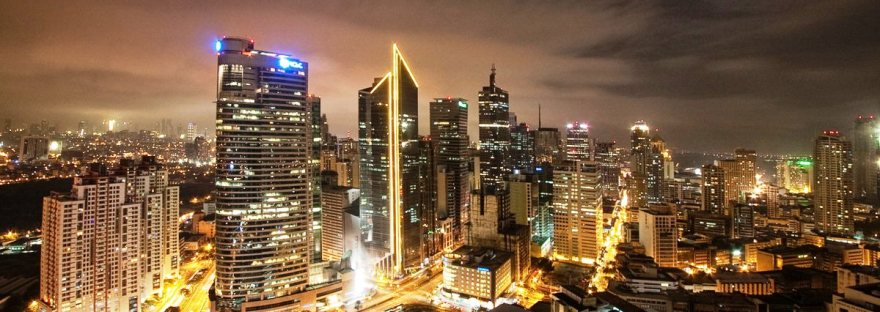
The capital of Philippines, Manila is one of the most popular metropolitan in the world. It is the nation’s heart when it comes to culture, business, politics, education, and transportation. Manila has been through a lot – from natural disasters , yet it’s grown to become a true Asian gem of a city. The city is famous for its skyscrapers, malls, friendly locals, multi-cultural heritage, golf courses and exciting nightlife. It has the geographical advantage of being close to beautiful islands and scenic spots that are just hours away. A trip to Manila will be incomplete without a visit to Palawan (an hour southwest of Manila), which is blessed with some of the most truly stunning beaches in the world. Manila welcomes roughly over 1 million tourists each year, and the key destinations include Manila Ocean Park, the walled city of Intramuros, the National Theater, Manila Zoo, National Museum of the Philippines and more. Manila is a shopaholic’s paradise and has been named as one of the best shopping destinations in Asia. For all these reasons and more, Manila should be on the top of every traveler’s ‘must-see’ list.
Best Time To Visit Manila
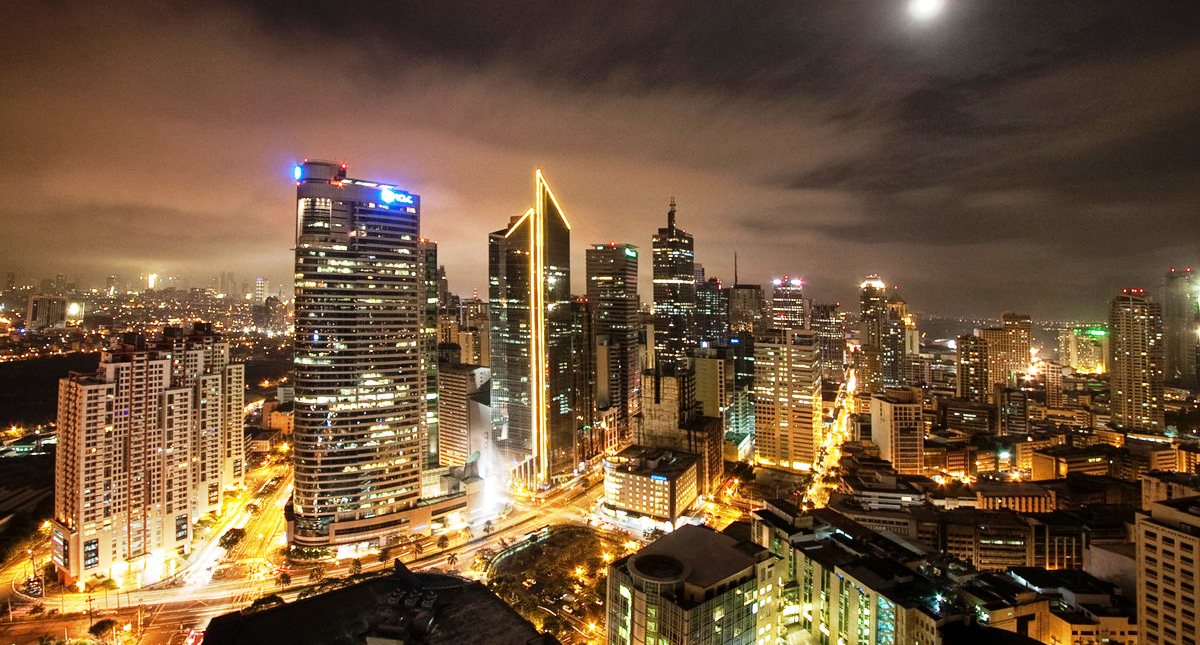
The best time to visit the city of Manila is from December to May. Though the weather stays hot and humid like the rest of the year, during these months – it is relatively less warm. The month of May is the hottest when it becomes difficult to be outdoors. This is followed by the monsoon months when the rains though scarce – are very heavy. The city has been known to experience typhoons from June to September. From December to April the temperature drops a reasonable amount, making sightseeing and shopping more comfortable.
How To Reach Manila
Officially, Ninoy Aquino International Airport (NAIA) is the only airport serving the Manila area. However, both NAIA and Clark International Airport (located in the Clark Freeport Zone in Pampanga) are in operation in this region. Clark caters mainly to low-cost carriers and is supposed to replace NAIA as the primary airport of the Philippines in the near future. The Ninoy Aquino International Airport has 4 terminals that are not internally connected. Some terminals have both international and domestic flights while some have only domestic. As there are many islands close by, there are quite a few local and international carriers, roughly 40 airlines use this airport. While international airlines like Korean Air, Omar Air, Qatar and Qantas connect the Philippines to cities all over the world, the local carriers like AirSWIFT, Cebu Pacific and Cebgo connect Manila to the popular tourist islands like Cebu, Puerto Princesa and El Nido.
Nearest Airport: Ninoy Aquino International Airport is located 7km south of Manila (very close to Makati). Clark International Airport is located 80km northwest of Manila (within the Clark Freeport Zone).
Safety Suggestion: June and October is the wet period in Manila and this season also brings heavy rains and typhoons causing flights to get delayed or cancelled.
Weather in Manila
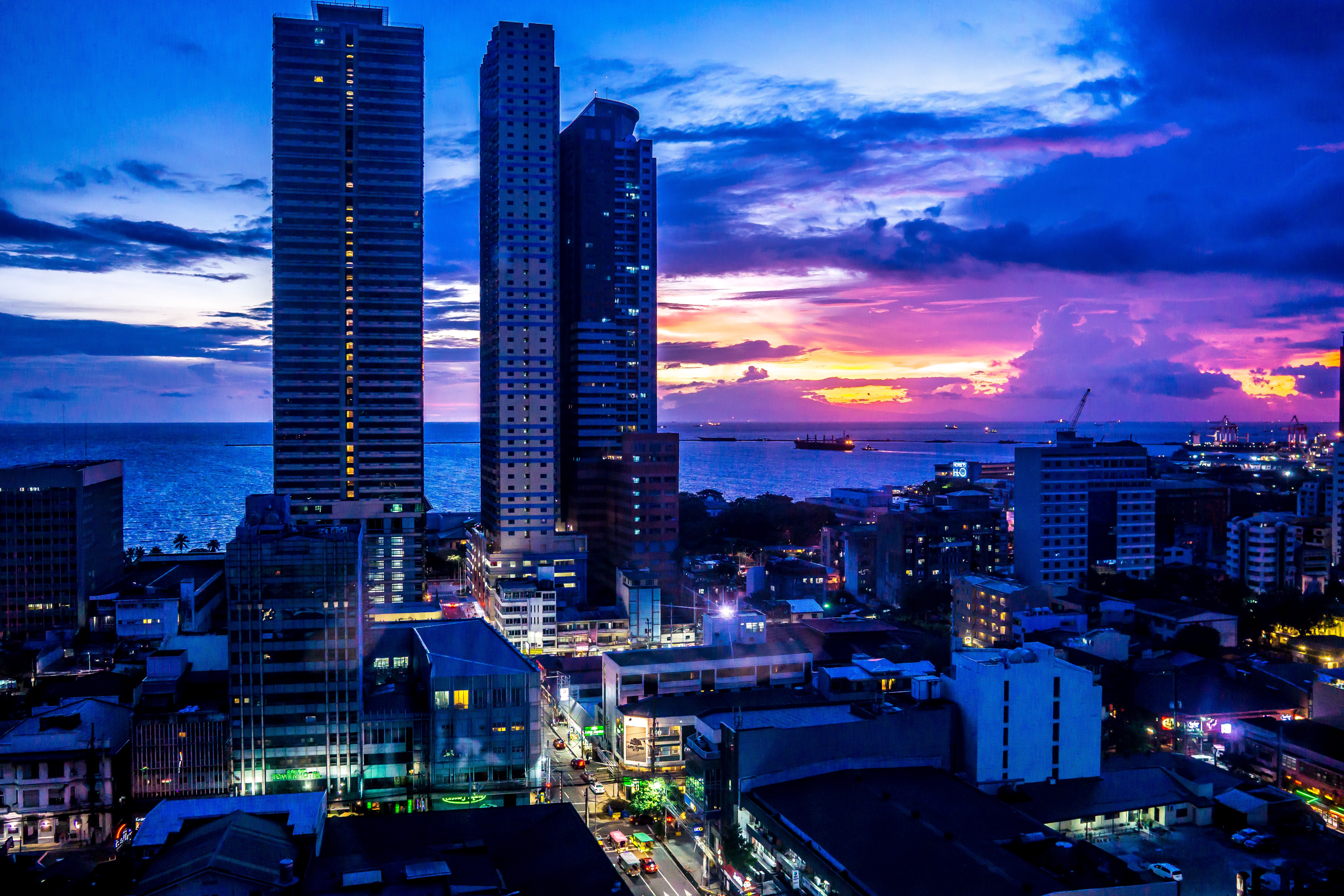
Manila has a typical tropical climate – it’s hot and humid throughout the year. Its proximity to the equator causes the variations in temperature to be very small. It usually stays between 20°C and 38°C. It can be broadly classified into a dry season (from January to June) and a wet season (from July to December).
Shopping in Manila
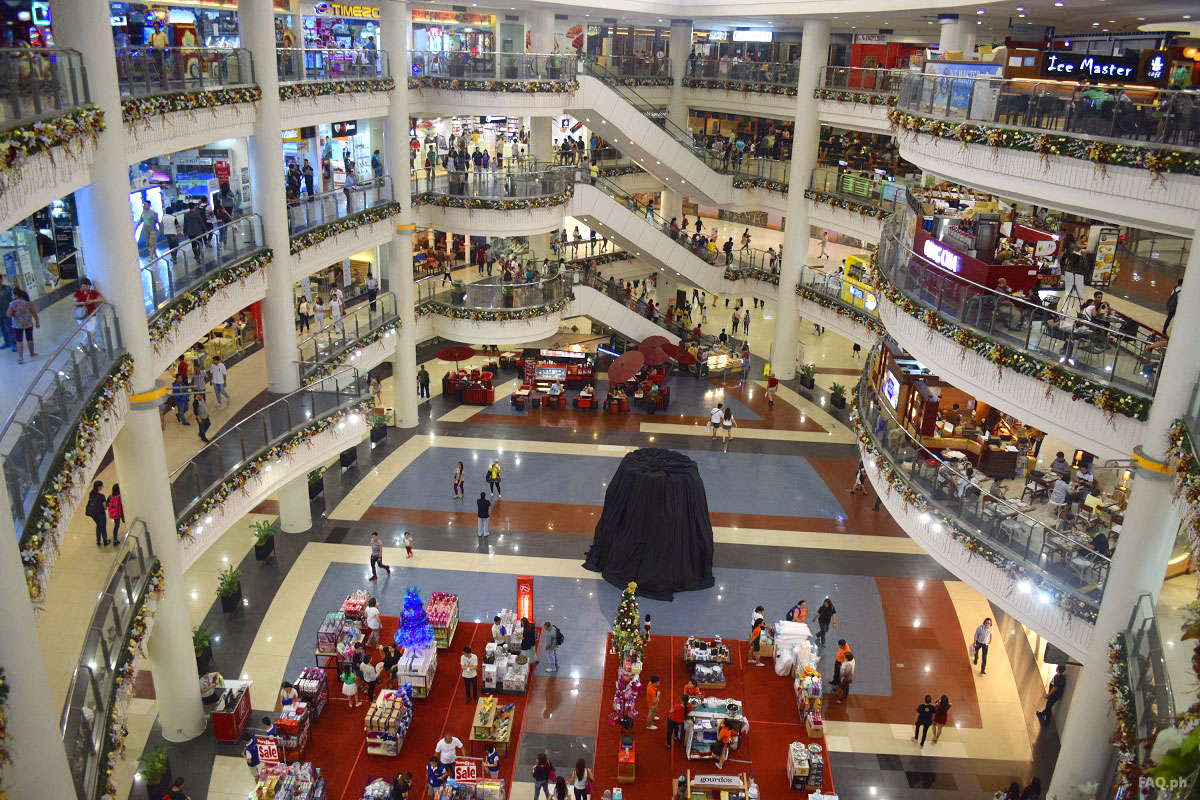
Shopping is one of the prime activities in Manila. Manila’s mall culture is probably the most telling sign of the Americanization that Philippines has gone through. Almost every city block or two of Metro Manila has a mall, which mostly closes at 21:00. Boasting the third-biggest shopping complex in the world, credit culture is still in its infancy in Manila; consequently conspicuous consumers are rife! The most upscale malls are in Greenbelt 4 and 5 at Ayala Centre and Bonifacio High Street in Bonifacio Global City, where there are famous brand shops like Mango, Armani and Bulgari. Visit the Divisoria Market where items are sold in bulk at jaw-dropping prices. You can find almost anything here, from cookware to lingerie to toys. Tiendesitas, at the edge of Ortigas, highlights local handicrafts, souvenirs and furniture. To get a real feel of Manila go to a ‘tiangge’, a fish market, where everything can be bargained for. Discover below where to shop in Manila…

Nightlife in Manila
Manila’s nightlife offers a wide range of after dark entertainment opportunities. Filipinos personify the ‘life and soul of the party’ notion. Much like their Spanish counterparts, their ability to sing and dance is an inherent characteristic belonging to the majority of the population. Combined with a great sense of humor you can be assured of some great partying while in Manila. Karaoke, as in most Asian countries, is a national sport and mercilessly encouraged by locals, so have a back up plan of sorts. Scuzzy jazz joints, upscale wine bars, booming clubs and American-style pubs can all be found in and around Manila. Malate is one of the most famous party districts, reminiscent of, but much more lively than, Lang Kwai Fong in Hong Kong. Makati and Global City also have bar strips in the Greenbelt and Bonifacio High Street malls respectively. In Quezon City, Morato Avenue is dotted with bars, dining places and comedy clubs. Eastwood City in Quezon City is another favourite hangout of locals. Keep in mind that night time in any city is generally when the low life factor emerges and when you should exercise caution. P Burgos Street is the equivalent of Bangkok’s Patong, debauched and chaotic but nonetheless very exciting if that is your scene. See below what to do at night in Manila.
- Theme of Manila Cultural, Metropolitan city
- You’ll love Manila for Shopping, Friendly locals, Nightlife
- Watchout for Traffic congestion, High temperatures, Floods
- Best Time To Visit December – may

 Jet Set Go